Conquer the Cold: The Ultimate Cold Weather Survival System for Real-World Winter Threats

The first cold morning always feels like a trick. Yesterday the world was just gray and damp; today the air slices at your face like tiny needles, and your breath looks like it’s trying to escape your body before the rest of you can. You step outside thinking you’re ready, then the wind hits and your lungs burn, your fingers stiffen on the steering wheel, and for a second you wonder why you thought winter was “cozy” in the first place. It’s beautiful, sure—snow on rooftops, quiet streets, that eerie blue light at dawn—but beauty doesn’t keep you warm when the temperature drops faster than the weather app predicted and the forecast quietly switches from “chilly” to “dangerous.” Somewhere between the first frost and the first real storm, comfort stops being optional and starts becoming a survival skill, even if no one says it out loud.
What makes it sneaky is how normal it all looks at first. You see kids playing in the snow, people posting “first snow 2025” photos, the usual holiday lights going up earlier every year because apparently time isn’t real anymore. Meanwhile, statistics hide in the background: thousands of people ending up in emergency rooms every winter with frostbite, hypothermia, or injuries from slips and crashes they never saw coming. The body doesn’t negotiate with the cold; once your core temperature starts dropping below what it needs to function, everything slows down—your reaction time, your judgment, even your will to move. It doesn’t hit instantly like a movie scene; it creeps in while you tell yourself you’re “fine” and keep pushing for just five more minutes. The line between mild discomfort and real risk is thinner than most people want to admit.
Imagine, instead, stepping out into that same icy morning feeling strangely calm. The air is still sharp, the wind still howls around buildings and across open fields, but you’re not flinching or rushing. Your face stings a little, but your chest feels steady, your hands responsive, your thoughts clear. You’re not hoping you’ll be okay; you know you will, because this isn’t random luck anymore. It’s preparation. A system. The difference between hoping the weather stays “manageable” and knowing you’re equipped when it absolutely does not. That shift—where winter stops being a threat and starts feeling like a challenge you already trained for—is subtle at first, but once you feel it, it’s hard to go back to winging it.
Out on the road, the reality hits especially hard. One unexpected whiteout on the highway, one patch of black ice on a side street, and suddenly you’re sitting in a motionless line of cars, heater struggling, battery warning light starting to glow, watching your own breath fog the inside of the windshield. It’s in moments like that when you notice who prepared and who trusted “it’ll probably be fine.” Some have emergency blankets, extra layers, food, and a way to stay warm for hours. Others sit in thin jackets, fingers numb on a slowly cooling steering wheel, regretting that they never got around to building a winter survival kit. Survival in cold weather is rarely about one huge dramatic decision; it’s about tiny choices made long before the storm hit—what you keep in your trunk, what you wear by default, whether you treat cold as a mild inconvenience or as an adversary that deserves respect.
The body is astonishingly resilient, but it also has rules. When you lose heat faster than you can generate it, your system starts reallocating resources, pulling warmth toward your core organs and letting your fingers, toes, ears, and nose pay the price. That’s where frostbite begins, silently at first: tingling, then numbness, then skin that changes color while your brain is still insisting you’re “not that cold.” Good cold weather survival hinges on three simple goals: protect core temperature, keep moisture under control, and reduce wind exposure. Proper layering traps warm air close to your skin while letting sweat escape so you don’t end up soaked and freezing. Windproof outer shells block the invisible thief that steals heat more aggressively than you think, especially when temperatures plummet below freezing and the wind chill turns “manageable” into “life-threatening.” It sounds technical, but in practice, it just means respecting physics more than your ego.
Think for a moment about the smaller, quieter winter emergencies—the ones that never make the news but shape your memory of a season. The furnace goes out in the middle of the night, and you wake up to a house that feels like the inside of a freezer. The power fails during an ice storm, and suddenly all the modern comforts you depend on vanish with a soft click. You bundle everyone in extra blankets, boil water if you can, and pretend it’s “kind of an adventure,” but after a few hours the chill starts to seep into everything: walls, clothing, bones. Those are the moments when preparation stops being theoretical. Extra layers, thermal gear, insulated sleeping options, and a simple, thought-out cold weather plan turn panic into inconvenience and inconvenience into something close to calm. It’s not about paranoia; it’s about making sure your home, your car, and your body aren’t negotiating with the cold from a place of desperation.
There’s also the emotional side of all this that people rarely talk about. Cold drains willpower. When your muscles tighten and your teeth chatter, motivation disappears faster than daylight in December. You get irritable, irrationally tired, maybe even weirdly hopeless on gray afternoons that seem to last forever. Surviving winter isn’t just about not freezing; it’s about protecting your mental stamina too. Warmth is more than a physical state—it’s psychological armor. When your body is properly insulated and your environment feels stable, you think clearer, react faster, make smarter choices. That might mean deciding not to take that risky drive, or knowing you can help someone else stuck in a ditch because your own survival isn’t hanging by a thread.
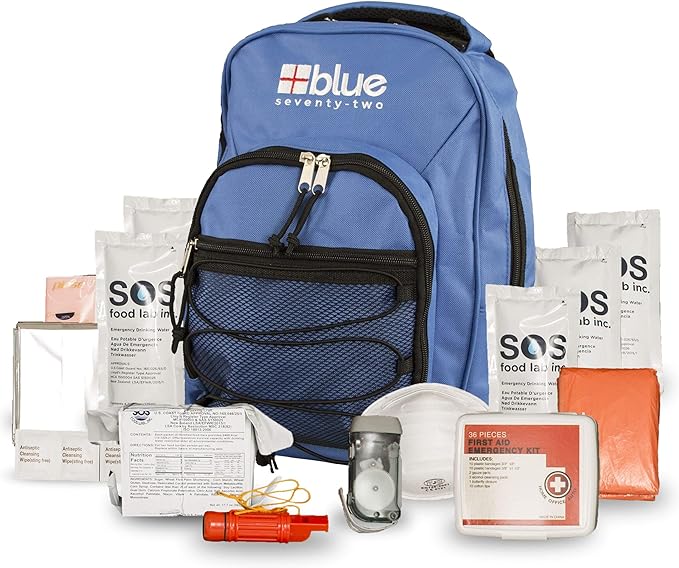
Now imagine something a little different. Imagine that instead of cobbling together random gear each year—one pair of gloves from a gas station, an old jacket you “think” is warm enough, a blanket tossed into the trunk “just in case”—you had one cohesive, purpose-built answer to winter. A setup created not for looks, but for survival. A combination of insulating layers, wind-blocking outerwear, and practical, field-tested essentials that work together, not against each other. That is where the Cold Weather Survival System comes in. It’s not just another coat or another pair of boots tossed into a shopping cart at the last minute; it’s an integrated approach to facing low temperatures, brutal wind, and sudden storms with the kind of confidence that only real preparation can offer.
The Cold Weather Survival System is designed to help maintain core warmth, manage moisture, and shield you from biting winds, whether you’re shoveling a driveway in subzero wind chill, navigating an icy back road, or riding out a power outage with your family. Each piece is part of a bigger plan: to keep your body functioning, your mobility intact, and your mind steady when the weather decides to be unforgiving. Choosing it is more than a purchase; it’s a decision to stop hoping winter goes easy on you and to start meeting it on equal terms. If this is the year you want to stop just enduring the cold and start mastering it, commit to equipping yourself with the Cold Weather Survival System and step into the next storm knowing you’re ready, not just lucky.